The best time to visit Zanzibar depends on what you’re after: dry, sunny days, the warmest sea, or quieter beaches and better deals. The good news is that the water is warm in every month, so there’s no bad time for a swim. Here are a few tips from us on what each season is really like, plus a few things first-time visitors often don’t expect.
Quick Facts
Driest months: June to October
Hottest months: January and February
Long rains: March to May (April is the wettest month)
Short rains: around November and December, mostly short showers
Air temperature: around 29–33°C by day, 21–25°C at night
Zanzibar sits just south of the equator, so it’s warm all year. What changes is the rain and the wind, and together they shape four seasons. Find the months you’re planning to travel and see what to expect.
June to October
Long dry season
The south-east trade wind (the kusi) blows steadily, the air is a little fresher, and the sea is at its clearest. It’s the most popular time to visit, and for us too: June to September are our busiest months, so it’s worth booking ahead.
Around November and December
Short rains
Rain usually comes as short showers that pass quickly, with plenty of sunshine in between. The island turns green again.
January and February
Hot season
The wind turns and comes gently from the north-east (the kaskazi). It gets properly hot, and February is usually the hottest month of the year. The sea is calm and very warm.
March to May
Long rains
Locals call it masika. April is the wettest month, often with heavy tropical downpours. It’s the quietest time on the island, and some beach hotels close for a few weeks.
The weather doesn’t read the calendar
These are the usual patterns, not promises. The rainy season can bring completely dry, sunny days, and a shower can surprise you in the middle of the dry season. The last few years have also been less predictable than they used to be, so it’s worth checking the forecast a few days before you go.
Heat and Humidity
Zanzibar is humid all year, usually somewhere around 70–85%. Humidity makes a big difference to how warm it feels: 30°C in February, when the air is heavy and still, feels much hotter than 29°C on a breezy day in July.
If you don’t cope well with heat, June to September are the most comfortable months, with fresher evenings and a steady breeze. In January to March, plan the most active parts of your day for the morning and keep the middle of the day for the shade and the sea.
Tides: What Most First-Time Visitors Don’t Expect
The tide changes Zanzibar’s beaches more than any season does. The sea comes in and goes out twice a day, all year, and the difference between high and low tide can be several metres.
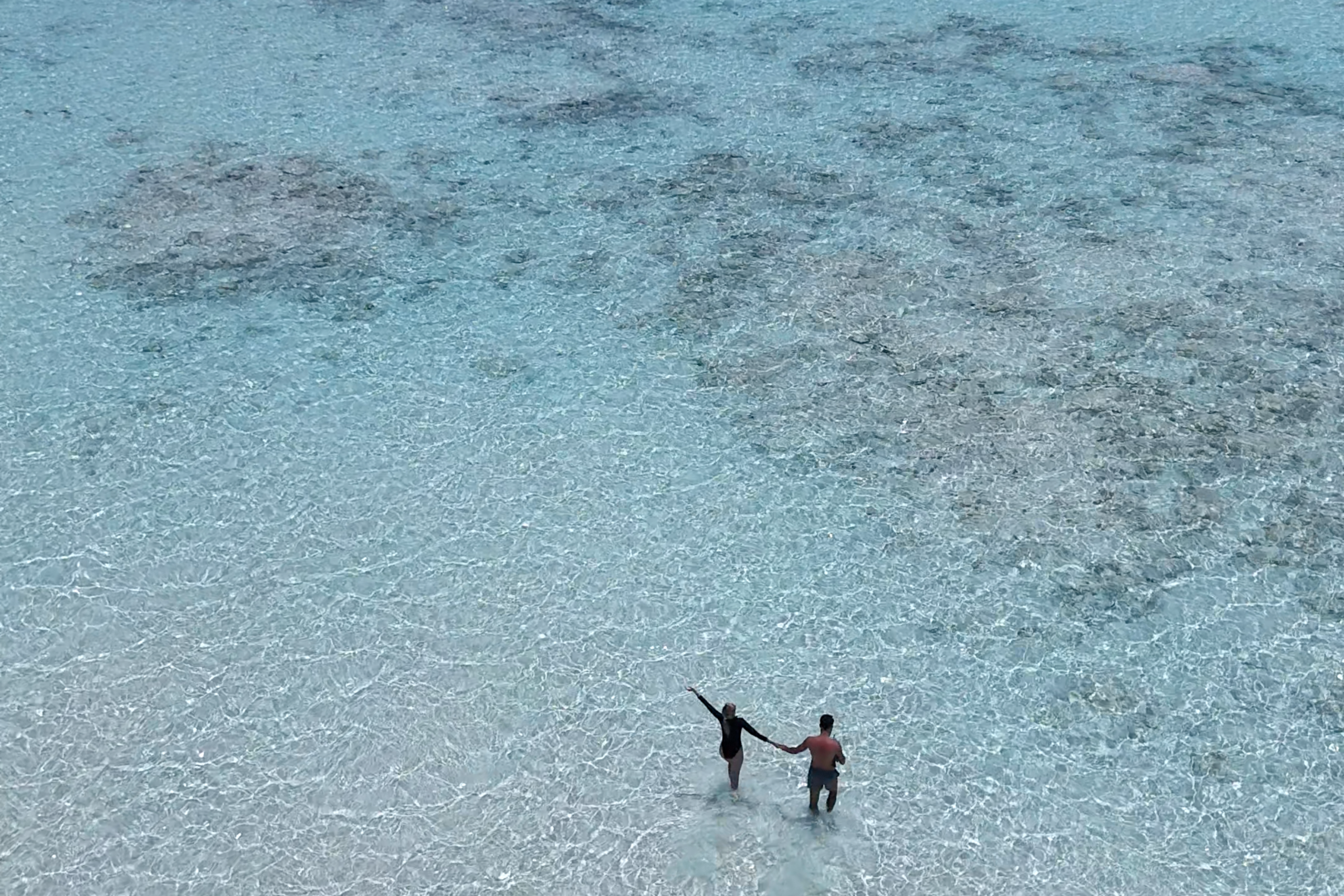
On the east coast, in places like Paje, Jambiani and Bwejuu, the water can pull back hundreds of metres at low tide, sometimes more than a kilometre, leaving a wide, shallow lagoon with sand, seagrass and rock pools. A few hours later the sea is back and you can swim again. It has its own charm, and low tide is a nice time for a walk across the lagoon, but if you picture yourself swimming right after breakfast, it helps to know the timings. Around Chwaka Bay the tide goes out furthest of all.
Further north on the east coast, in Kiwengwa and Matemwe, the tide still makes a difference but usually less dramatically.
In the north, around Nungwi and Kendwa, the tide changes the beach much less, so you can usually swim at any time of day. That’s one of the main reasons many people choose to stay in the north.
The tides are strongest around the full moon and new moon, when low tide goes out the furthest. Hotels on the east coast usually have tide times at reception, or you can look them up online for your dates.
On the east coast you’ll also sometimes see seaweed on the beach. Some of it washes in naturally, and in the lagoon local women farm it at low tide, which is an important part of village life here. The amount varies a lot: some weeks there’s plenty, other weeks hardly any, and it isn’t tied to particular months.
A Full Day on the Water: Safari Blue Zanzibar
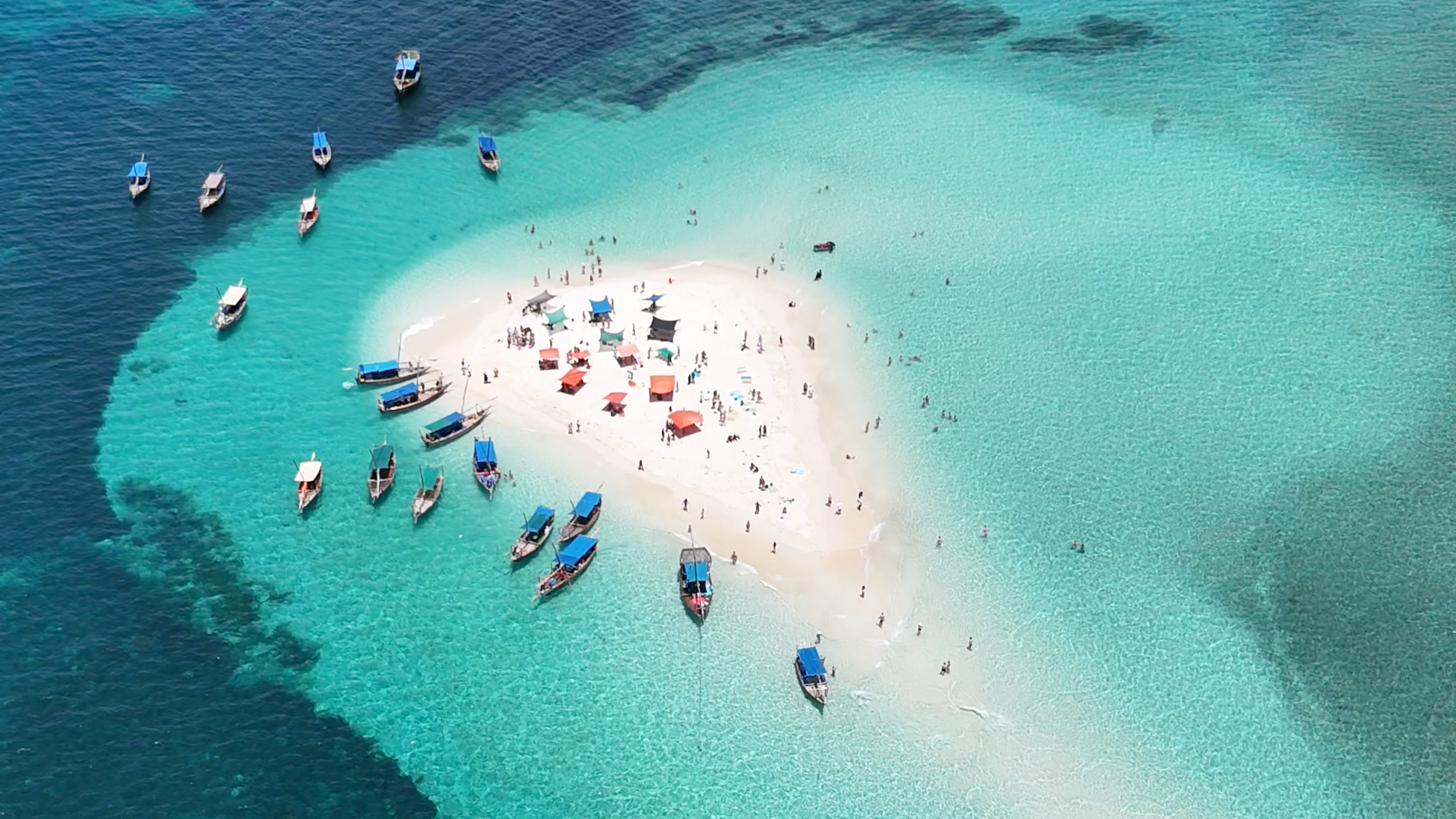
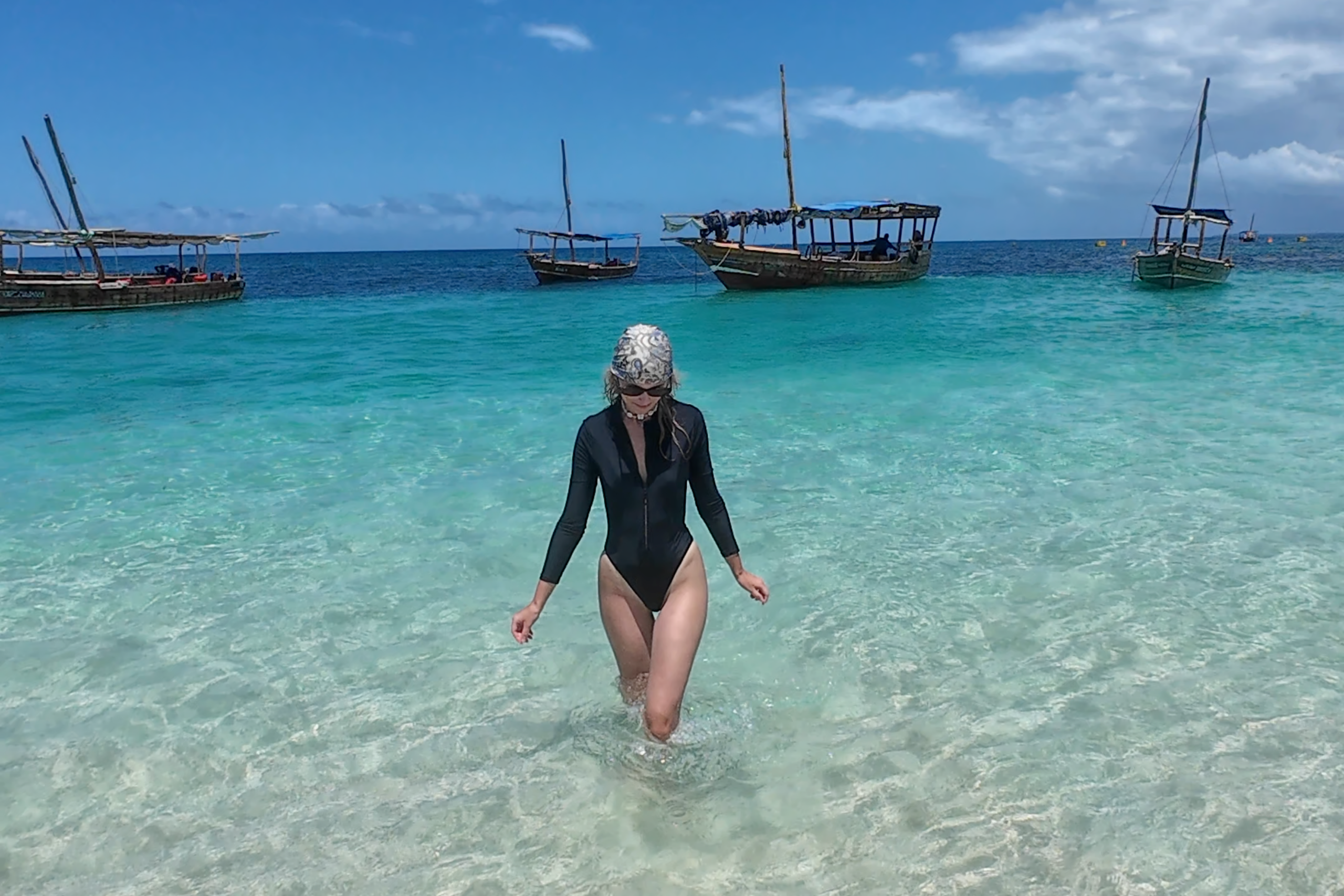
Sail on a traditional dhow, snorkel on coral reefs, relax on a sandbank and finish with a Swahili seafood BBQ. It’s the classic Zanzibar ocean day, and it works in every season.
From $55 per person · Free cancellation up to 24 hours before
Each part of the island has its own character. Here’s what each one is known for.
1
North · Nungwi & Kendwa
White beaches and swimming at any time of day, with the smallest tides on the island.
2
North-east · Matemwe & Mnemba
Coral reefs, dolphins and sandbanks around Mnemba Atoll, the island’s best-known snorkelling area.
3
East · Paje, Jambiani & Bwejuu
Big tides, wide lagoons and the heart of Zanzibar’s kitesurfing.
4
South · Kizimkazi & Menai Bay
A quieter part of the island, with dolphin trips and sandbanks.
5
West · Stone Town & Prison Island
History, markets and sunsets in Stone Town, and snorkelling on the coral around Prison Island.
Simplified map, not to scale.
Wind & Kitesurfing
Zanzibar has two main winds. The kusi blows from the south-east from about June to October and is strongest in July and August. The kaskazi comes from the north-east from about December to March and is gentler. In between, around April–May and October–November, the wind is often light.
If you’re into kitesurfing, you’ll love this. The wide, shallow lagoons on the east coast and the steady trade winds make Zanzibar one of the popular kitesurf spots in East Africa. Paje is the main hub, with most of the kite schools, and there are more spots along the coast in Jambiani, Kiwengwa and Matemwe. The schools offer courses for complete beginners too, so it’s a good place to try it for the first time. The best months are usually June to September and around December to February.
Not a kitesurfer? The wind is still good news: it keeps the heat pleasant, especially in the dry season.
When Is the Best Time for You?
For sunshine and clear water
June to October. The safest bet for dry days, snorkelling and boat trips. It's also a good time for safari, as animals gather around the water.
For heat and calm, warm sea
January and February. Hot and humid, with the warmest water of the year. Lovely for long swims and slow beach days.
For fewer people and better deals
Late May, early June, November or early December. Green landscapes, quieter beaches and often good offers on hotels and flights.
If you can only go in April
You can still have a good trip. It's the wettest month and some hotels close, so keep your plans flexible and leave a spare day for boat trips.
Dolphins in Any Season: Snorkeling & Sandbank near Mnemba
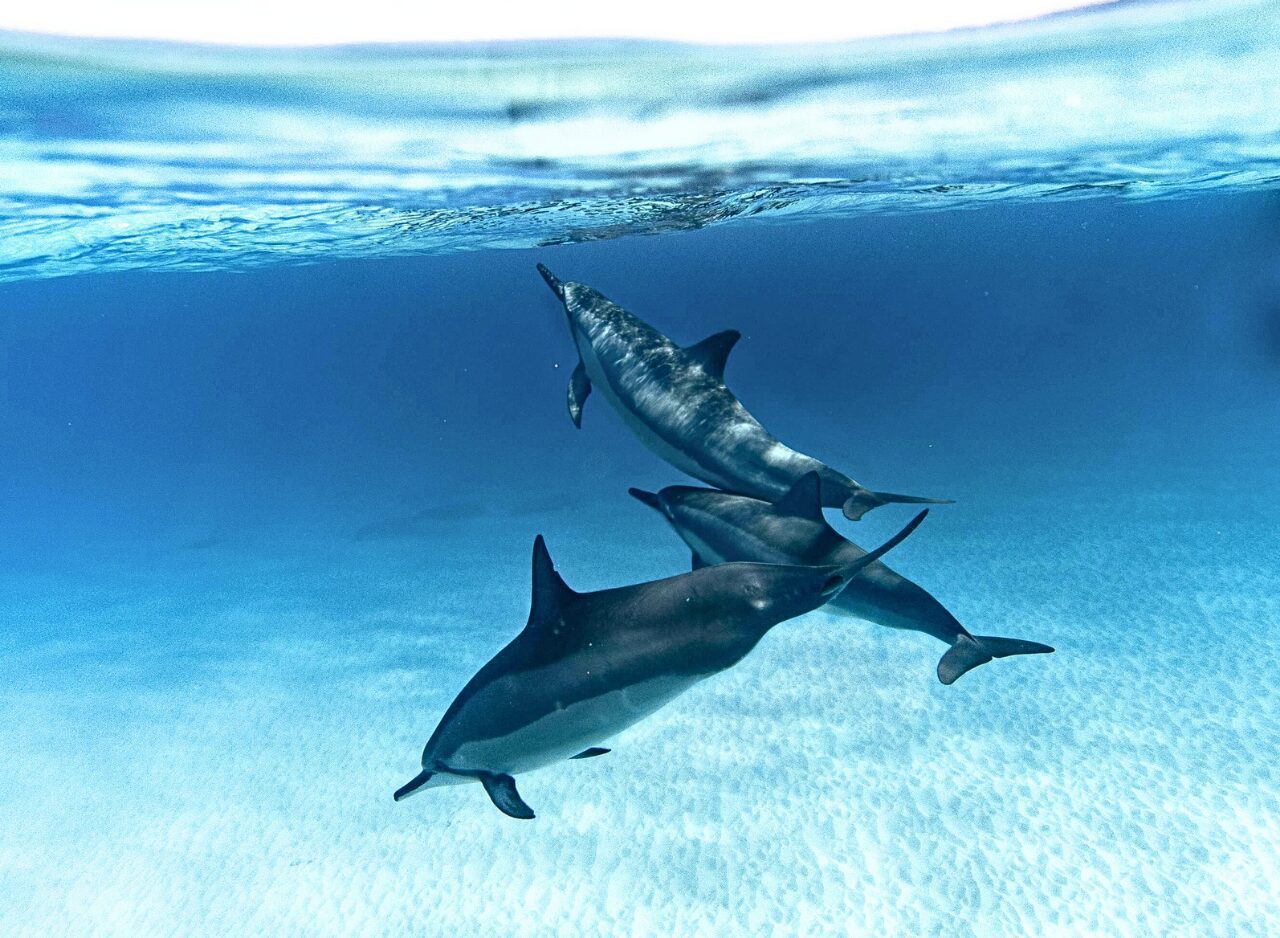
The dolphins around Mnemba live there all year, so every season gives you a chance to meet them. Add snorkelling on the reef and a stop on a white sandbank, and you’ve got a lovely half-day on the water.
From $40 per person · Free cancellation up to 24 hours before
Hotels and flights usually cost more in the main season and over Christmas and New Year, and less in the quieter months. Our tour prices stay the same all year, and from time to time we run special offers, so it's worth keeping an eye on our website and social media.
In the busy months, the most popular hotels fill up early. It’s worth booking tours a little ahead too, especially safari flights.
Tours and flights in every season
Our boat trips and safari flights to Mikumi, Nyerere (Selous) and Saadani run all year. If the weather or the sea isn't safe, we move your trip to another day or agree on a new date with you.
Pack a light rain jacket
Outside the dry season, a light rain jacket or a small umbrella is handy. Showers can be heavy but usually pass quickly.
Sun protection all year
The sun is strong in every month, even when it's cloudy. Bring a hat, sunglasses and reef-safe sunscreen.
Check the tide times
If you're staying on the east coast, look up the tides for your dates. Swim around high tide, and save low tide for walks across the lagoon.
Rainy day ideas
Showers rarely last all day. Stone Town, a spice farm or Jozani Forest work well even when it's grey, and the forest is at its greenest.
Ramadan
The dates move by about 10–11 days each year. Some local restaurants close during the day and life slows down a little, while hotels and tours carry on as usual. Dress a little more modestly in villages and in Stone Town.
Zanzibar Weather Month by Month
Here’s a quick overview of what each month usually looks like, if you like to have it all in one place.
Month
Day / night
Weather
Good to know
January
~33 / 25°C
Hot, mostly dry
Calm, warm sea
February
~33 / 25°C
Hottest month, mostly dry
Warmest water
March
~33 / 25°C
Long rains begin
Hot and humid
April
~31 / 25°C
Wettest month
Quietest time, some hotels close
May
~30 / 24°C
Rain eases towards the end
Green and quiet
June
~29 / 23°C
Dry season starts
Pleasant evenings, clear sea
July
~29 / 22°C
Dry and windy
Strongest wind, busy season
August
~30 / 22°C
Dry and windy
Busy season
September
~30 / 21°C
Dry and sunny
Busy season, wind eases
October
~31 / 22°C
Mostly dry
Wind drops, calmer sea
November
~31 / 23°C
Short rains, showers
Green and quieter
December
~32 / 24°C
Showers early in the month
Hot, sea gets calmer
Average temperatures, rounded. Every year is a little different.
Yes, if you’re flexible. There are often dry, sunny days even in the rainy months, the island is green, and it’s quieter. Just leave a spare day for boat trips.
All year. The dolphins around Mnemba live there permanently, although a sighting is never guaranteed.
Plan Your Trip
There’s no wrong time to come to Zanzibar, just different kinds of trips. Come in the dry season for sunshine and clear water, in January or February for heat and calm seas, or in the quieter months for green landscapes and fewer people. If you’re not sure which month suits you best, send us a message on WhatsApp and we’ll happily help you plan.